Critics shrugged, audiences screamed, and the King of Pop just reminded Hollywood who really runs the box office
Hollywood loves to pretend it is unpredictable. Then a ghost walks in, grabs the mic, and clears everyone.
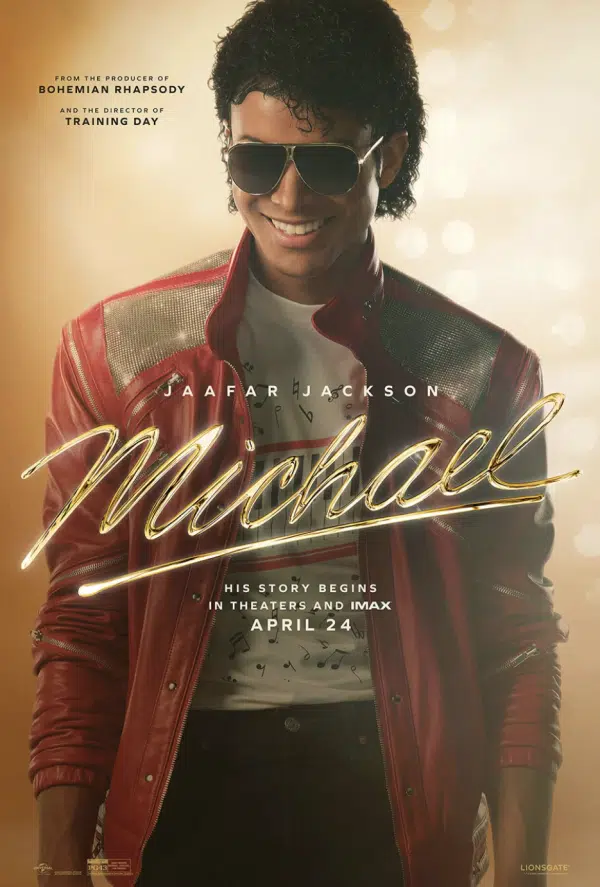
Michael, the long awaited biopic of Michael Jackson, did not just open big. It exploded. The film pulled in about $95 to $97 million domestically in its opening weekend, bulldozing past Oppenheimer and setting a new benchmark for biopics.
Globally, it is even louder. Over $217 million in a single weekend. This is not just box office success. This is cultural muscle memory at work.
Because on paper, Michael should have been complicated. The film has faced criticism for sidestepping the darker chapters of Jackson’s life, trimming its narrative to focus on the rise, the music, the myth. Critics have been lukewarm at best. But audiences? They showed up in full formation, handing it near perfect audience scores and proving once again that legacy can overpower controversy.
We are in an era where Hollywood keeps betting on spectacle, IP, and safe franchises. Yet here comes a biopic, a genre that is supposed to be niche, pulling blockbuster numbers and outpacing one of the most critically acclaimed films of the decade.
Why? Simple. Music hits differently. Nostalgia hits harder. And Michael Jackson is not just an artist. He is infrastructure. His catalog is global. His image is immortal. His story, even when edited, is still irresistible.
Let’s not ignore the performance. Jaafar Jackson stepping into those shoes could have gone terribly wrong. Instead, early reactions suggest he delivers just enough magic to keep the illusion intact.
Hollywood can debate critics versus audience all day. The numbers already picked a side. In the end, Michael did not just beat Oppenheimer. It reminded the industry of a truth it keeps forgetting. You can argue with history. You cannot outgross it.