
Critically acclaimed but commercially challenged, the rapper’s surreal comedy won hearts online but lost the ratings battle
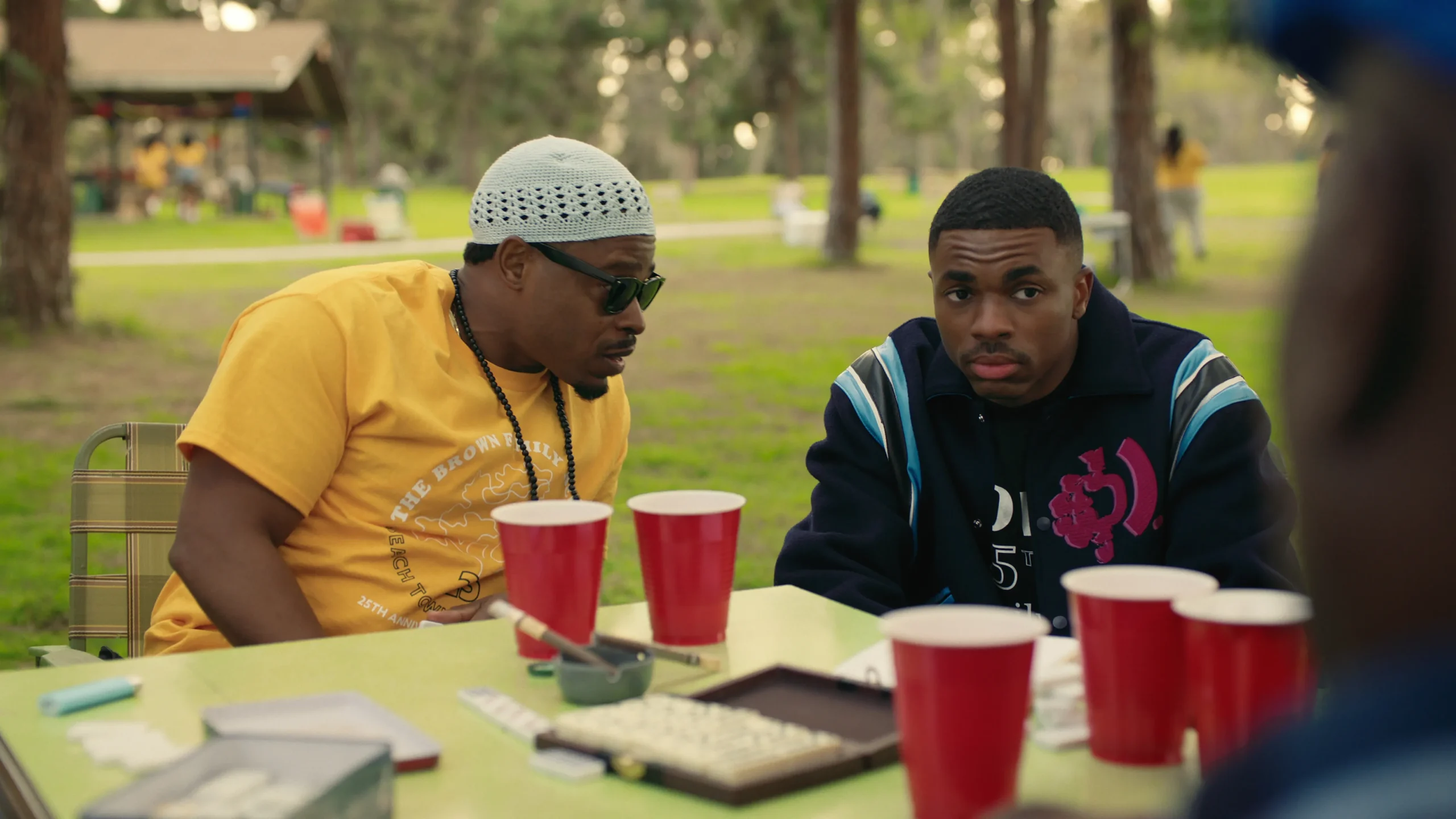
Netflix just dropped a surprise on streaming culture by canceling The Vince Staples Show after two seasons. The announcement came on January 21, 2026, alongside another series cancellation, and it instantly lit up social media with a mix of sadness, confusion, and hot takes from fans, critics, and the hip-hop community alike.
Created by rapper Vince Staples himself with collaborators Ian Edelman and Maurice Williams, the show premiered on Netflix in February 2024 and offered a surreal yet hilarious take on life in a fictionalized version of Long Beach, California. It blended satire, absurdist humor, and commentary in a way that many compared to Atlanta but with a distinctly Staples-style edge.
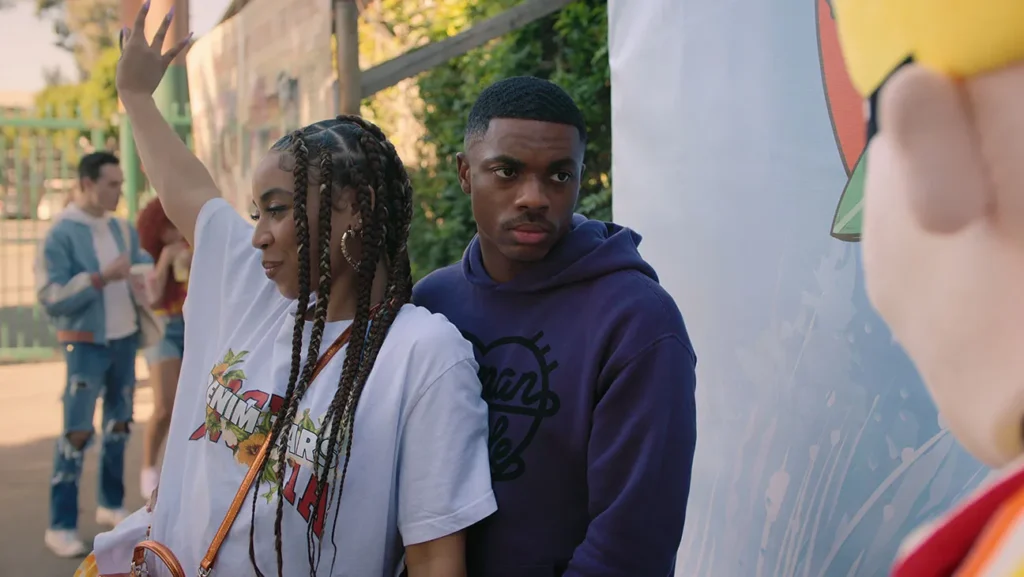

Critics loved it. The series earned strong approval scores on Rotten Tomatoes, with a 94 percent critics rating and 88 percent audience score, proving that even niche comedy can be actually good. But in Netflix’s world it turns out strong reviews don’t always equal renewals.
Season Two, which dropped in November 2025, struggled to catch traction. From its November 6 release through the end of the year it logged roughly 1.7 million views and never cracked Netflix’s Weekly Top 10 chart, a key metric in the streamer’s decision-making. That’s a far cry from the first season’s initial viewership and ultimately sealed its fate.
Fans on X and Reddit reacted fast. Some praised Netflix’s willingness to take risks, while others blamed poor marketing and low promo support; a common gripe when critically adored hits don’t break through. Many argued The Vince Staples Show deserved more time to grow into its own cultural lane, especially given how Vince brought fresh voice, humor, and creative ambition to TV.
This cancellation feels like the end of a promising experiment just as it found its rhythm. But if history has taught us anything, creative voices like Vince Staples don’t disappear just because one platform says no. Instead they evolve, and sometimes thrive even harder elsewhere.