
The Boss Flopped on the Mountain and Turned It Into a Creative Rebirth for the Culture
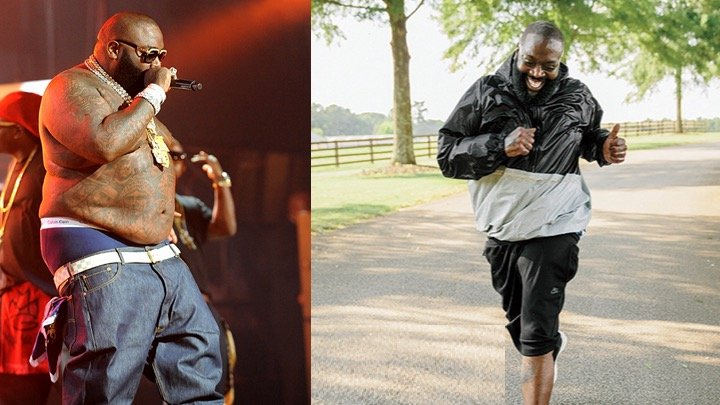
Rick Ross is not a man who does normal midlife reflections. When the Maybach Music Group founder hit a creative wall approaching 50, he did not go to a yoga retreat or start a podcast. He tried to climb Mount Kilimanjaro, Africa’s tallest peak. And that attempt, according to his own story, became more than a physical stunt. It turned into the backbone of his upcoming memoir and philosophical playbook Renaissance of a Boss.
In his third book, which drops May 12, 2026, Ross chronicles his journey through burnout, ego, weird rituals and self discovery. The Kilimanjaro climb did not go according to plan. He failed to reach the summit, but rather than seeing it as defeat, he reframed it as a lesson in pushing limits and facing creative drought head-on. Writers and culture critics will enjoy how he uses that failure as metaphor for transition, growth and the hustle that made him a hip hop institution.
Ross brags about his rich life in the book. He mixes surreal experiences like intense psychedelic awakenings with visits to Graceland in Memphis, Santa Fe sweat lodges and classic road trip stops. He pulls in stories of collaborations with Dr Dre, Bruno Mars and Bill Murray to illustrate how artistic inspiration is not a single moment but a lifetime of curiosity.
The memoir teases insight on how Ross keeps reinventing himself even after twenty years in the game. Eleven studio albums, multiple Billboard chart toppers and his empire of businesses would make most legends rest. Rick Ross used his Kilimanjaro flop as fuel to rethink legacy and purpose. In his telling, not reaching the peak was not the point. The climb itself is where the real renaissance happened.