The beating that shook America and pushed hip hop from music to movement.
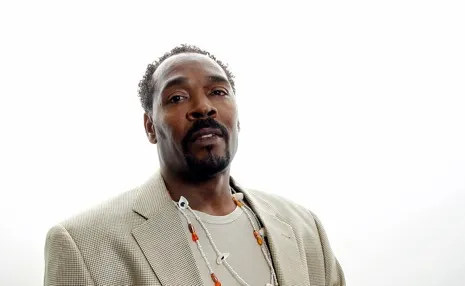
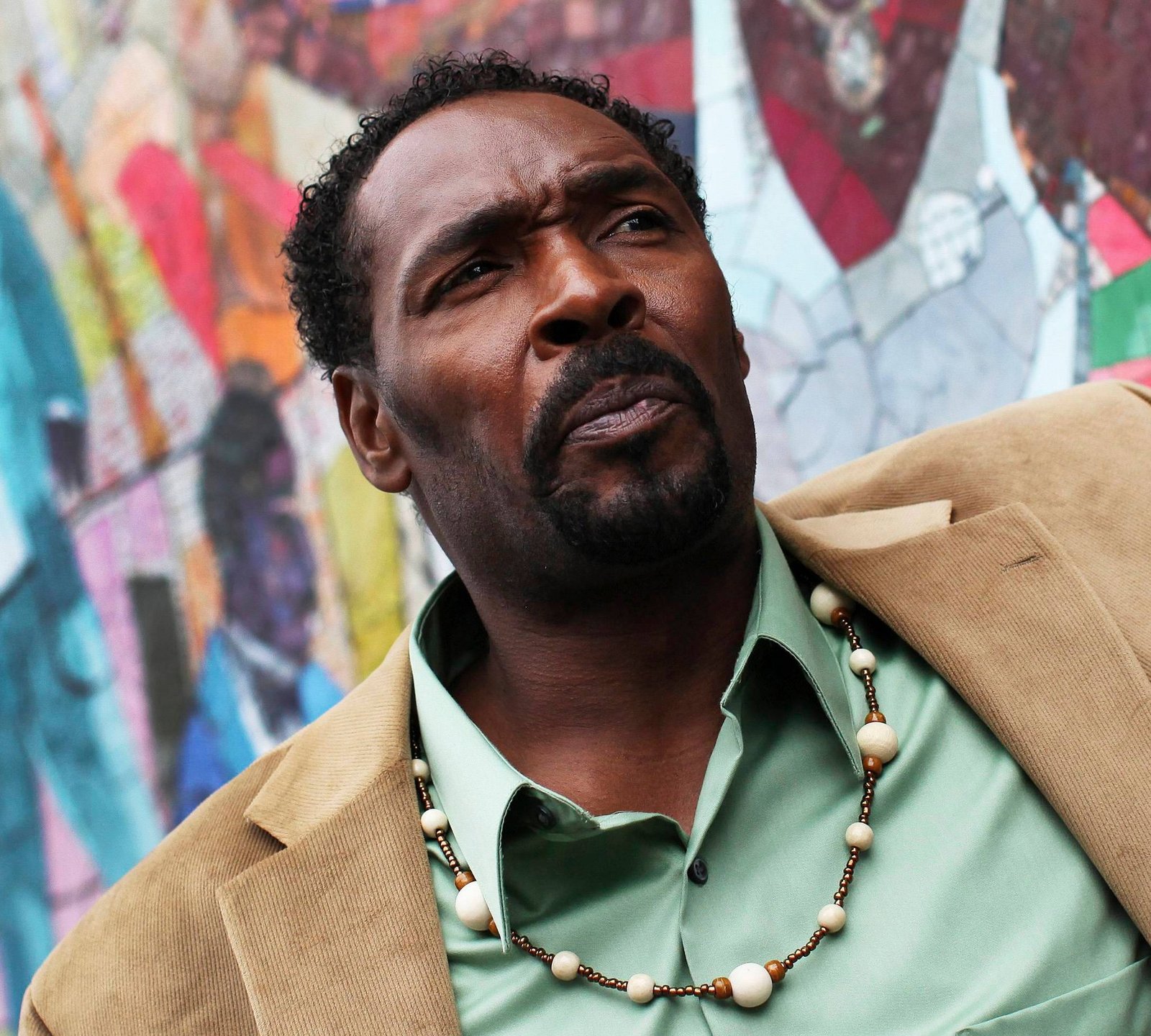
Thirty five years after the world watched a man get beaten on camera, Rodney King is finally getting a permanent reminder of what that moment meant. And not just for Los Angeles. For culture itself.
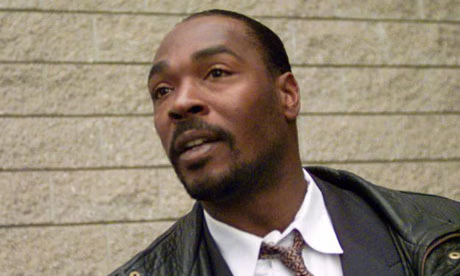
A memorial plaque has now been installed in Los Angeles to honor Rodney King, whose 1991 beating by officers from the Los Angeles Police Department became one of the most infamous examples of police brutality in modern American history.
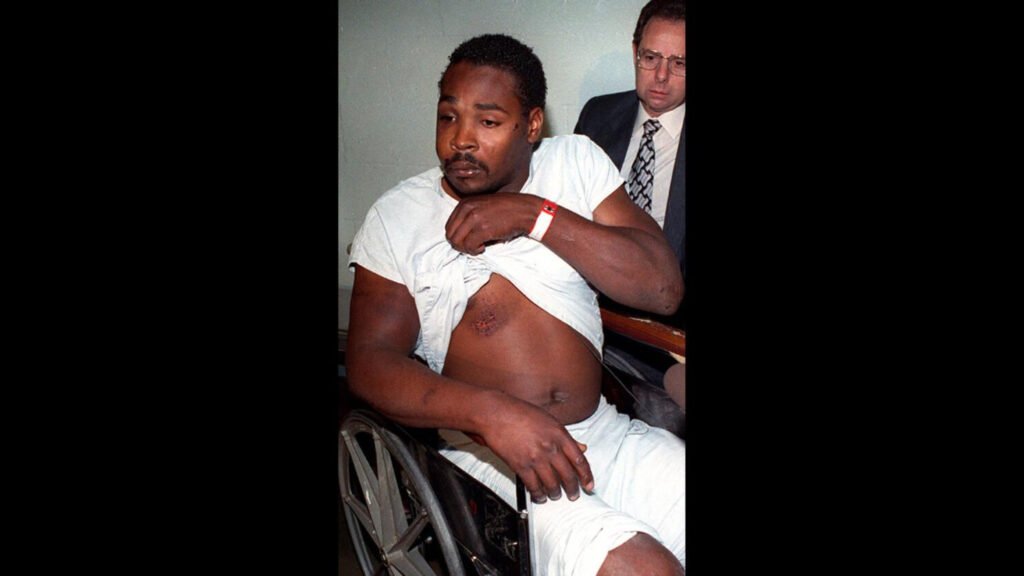
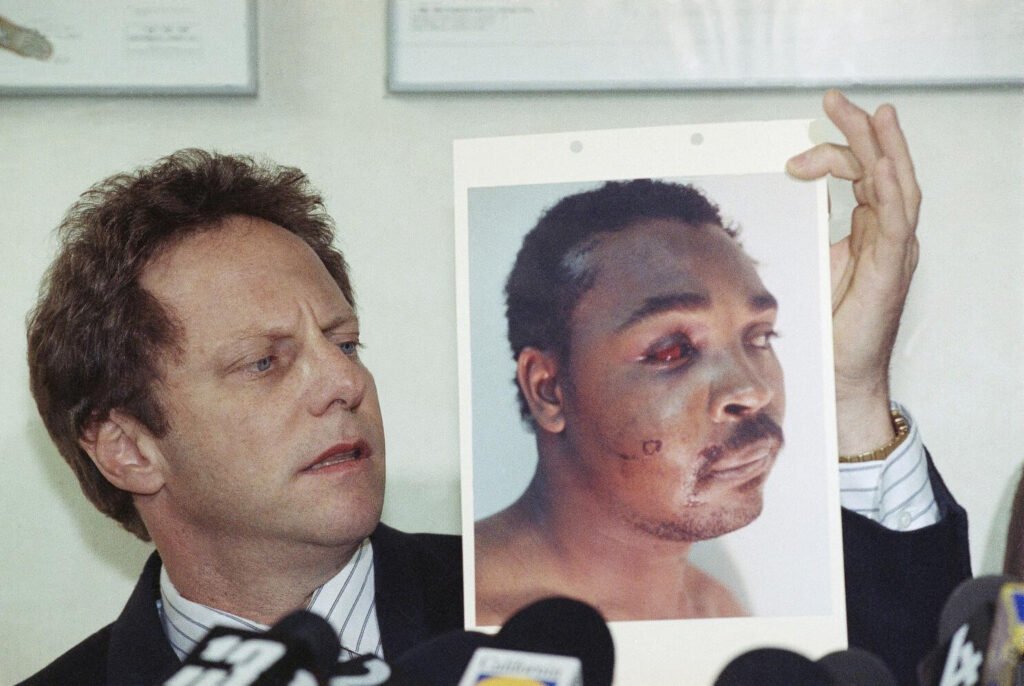
On March 3, 1991, King was pulled over after a high speed chase. What happened next was captured on camcorder by a bystander. The footage showed officers striking King dozens of times with batons while he lay on the ground. The video spread across television screens around the world and turned a local incident into a global reckoning about policing and race.
Then came the verdict. In 1992, the officers were acquitted of assault charges. Los Angeles erupted. The riots that followed lasted days, left dozens dead and caused roughly $1 billion in damage.
But the story did not stop in courtrooms or burned out storefronts. Hip hop picked it up and ran with it.
Artists turned anger into bars. Rage into records. The beating became a cultural flashpoint that pushed rap deeper into political territory. Tracks like “F*** Tha Police” by N.W.A. suddenly felt less like rebellion and more like reporting from the frontlines.
For many artists, King’s beating confirmed what Black communities had been saying for decades. The camera simply forced the world to listen.
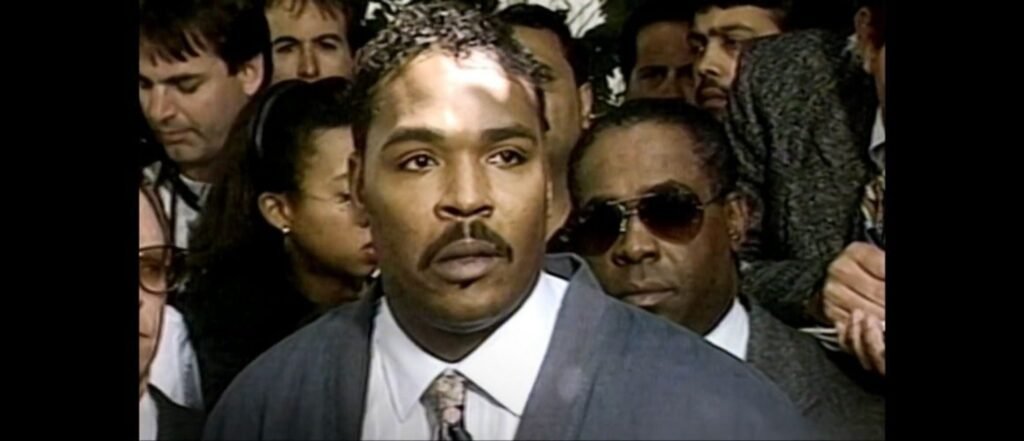
The plaque is not just about Rodney King the man. It is about memory. It is about accountability. It is about a moment when hip hop stopped whispering about injustice and started shouting it through speakers worldwide. Thirty five years later, the culture remembers. And this time the history is carved in stone.