Shots fired, Secret Service responds, and Washington’s glitziest night exposes a chilling collision of ego, access and spectacle
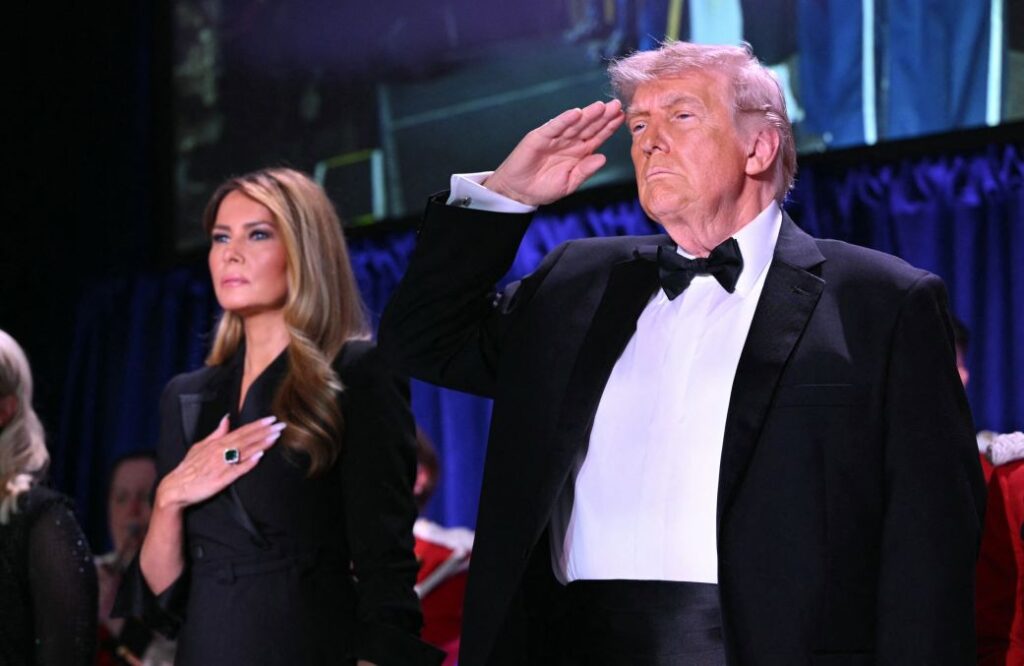
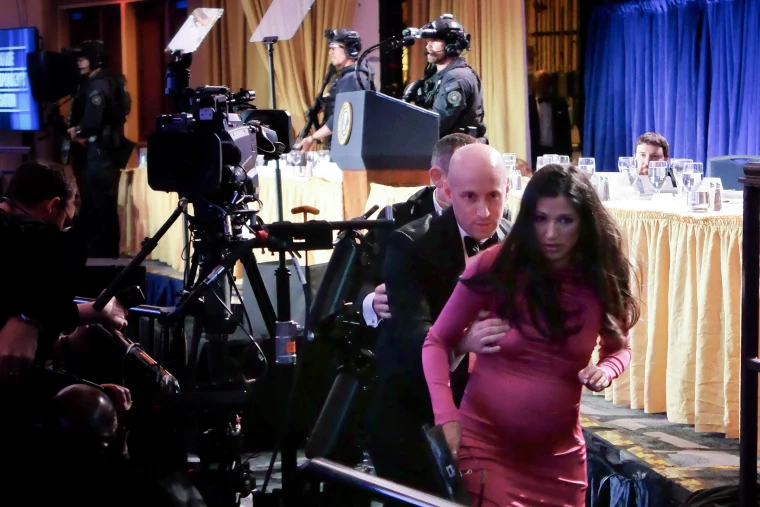
The White House Correspondents’ Dinner is supposed to be satire in tuxedos. A polished circus where politicians pretend to laugh at themselves and journalists pretend they are not part of the show. But on April 25, 2026, the script snapped. Hard.
Cole Tomas Allen, a 31 year old former teacher with elite academic credentials and a disturbingly cinematic self-image. In writings reviewed by authorities, he dubbed himself a “friendly federal assassin,” a phrase that sounds less like reality and more like a rejected Netflix pitch.
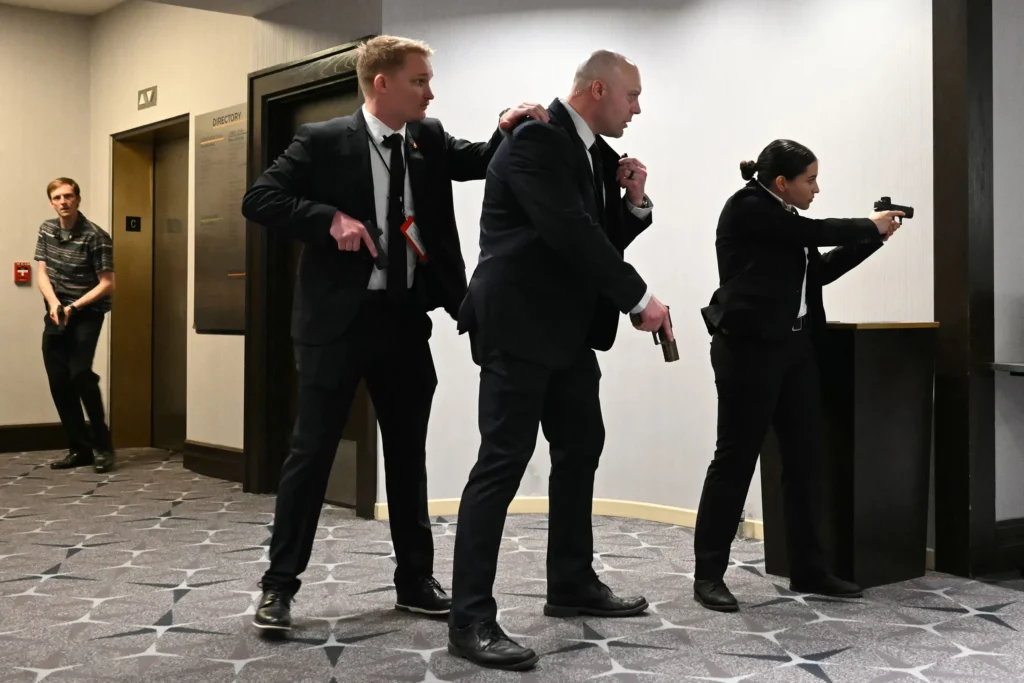
Armed with a shotgun, handgun, and knives, Allen allegedly forced his way past security at the Washington Hilton, firing shots that sent a room full of power players scrambling under tables. A Secret Service agent was hit but survived thanks to a protective vest. The President and top officials were rushed out. The party died instantly.
A night designed to roast power became a live demonstration of how fragile that power really is. Allen’s writings reportedly revealed anger toward the administration and disbelief at how easy it was to breach security. He even expressed regret mid fantasy, noting he felt sick and would never see loved ones again. That contradiction is chilling. Not just rage, but performance. Not just intent, but narrative.
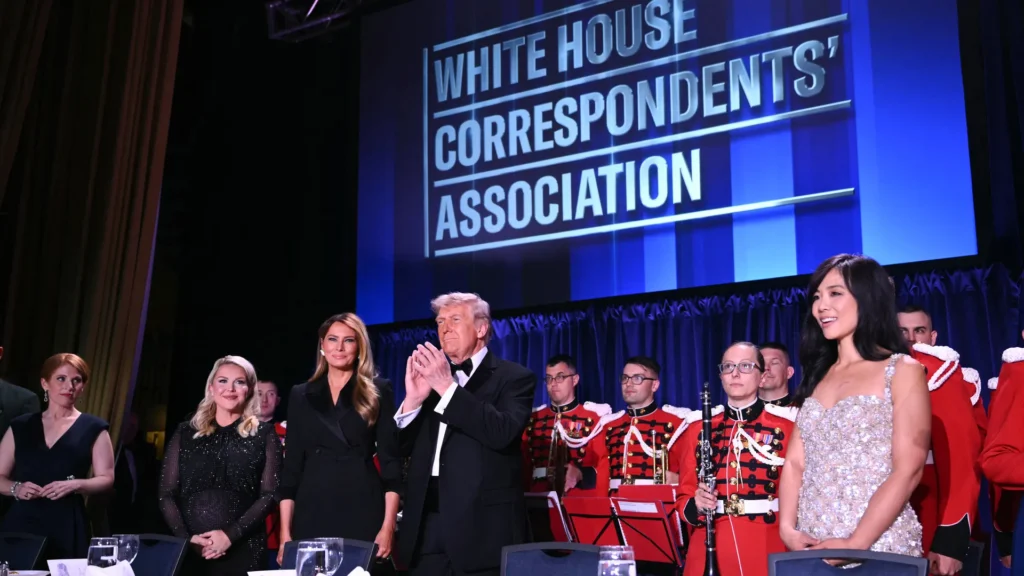
This is not just about one man with weapons. It is about a culture that packages violence, politics, and identity into something dangerously theatrical. The same ecosystem that turns dinners into spectacles and politicians into characters also breeds villains who see themselves as protagonists.
A “friendly assassin” is not just a contradiction. It is branding. Washington loves a show. This time, the show shot back.