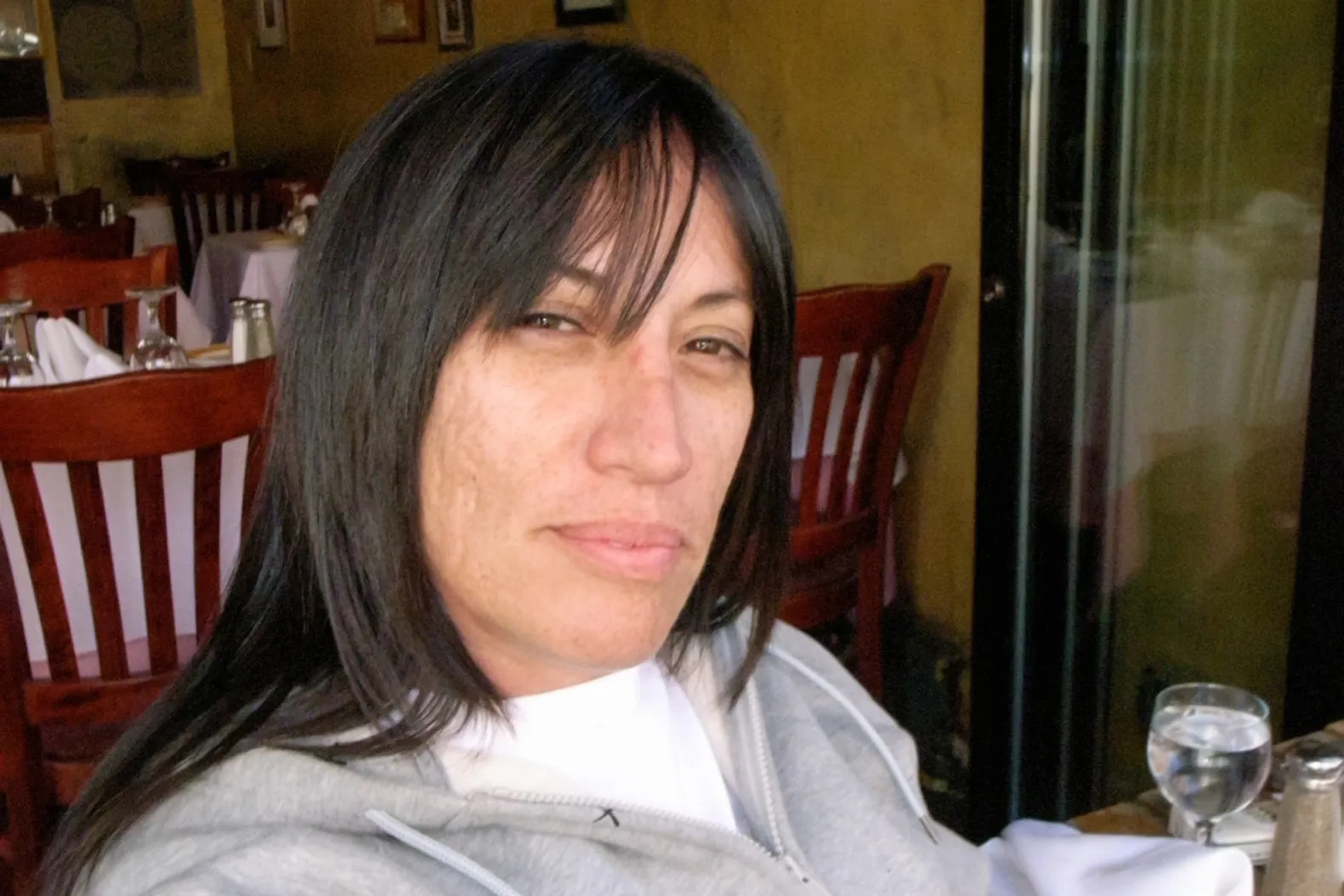
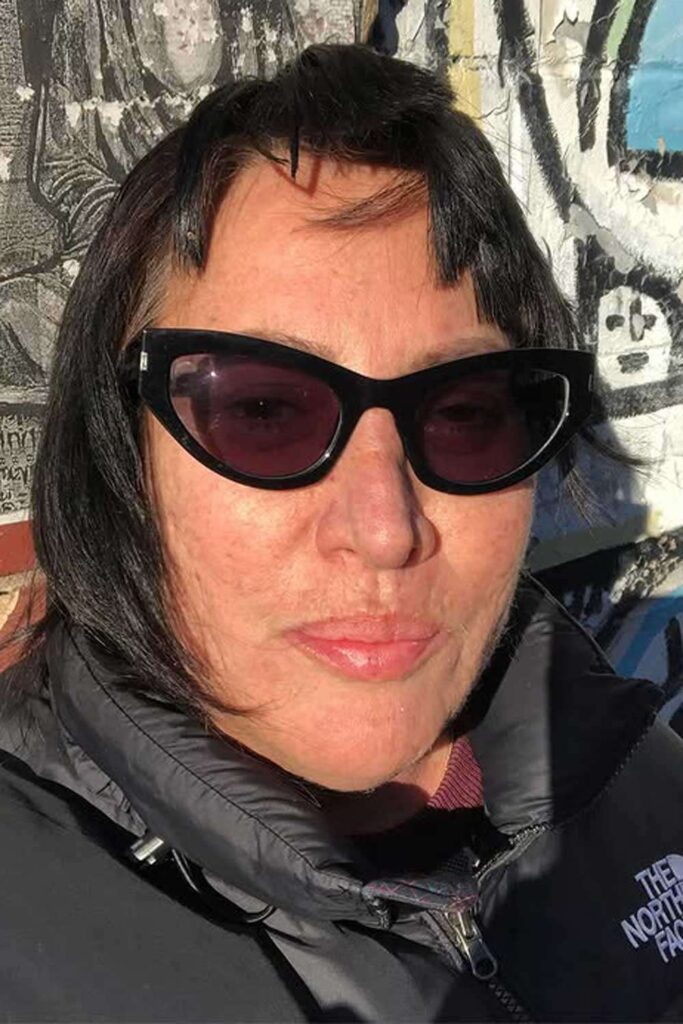
Music video legend Diane Martel has died at age 63 after a battle with breast cancer. Her family confirmed she passed peacefully at Memorial Sloan Kettering Hospital in New York surrounded by loved ones. She leaves behind a legacy that touches hip-hop, pop, controversy, visual flair, and many of the videos we still can’t unsee.
Martel came up in the early 1990s New York hip-hop scene directing gritty visuals. Her debut video was Onyx’s Throw Ya Gunz. She followed that with work for Gang Starr, Method Man, LL Cool J and others. She wasn’t just riding the wave. She shaped it.

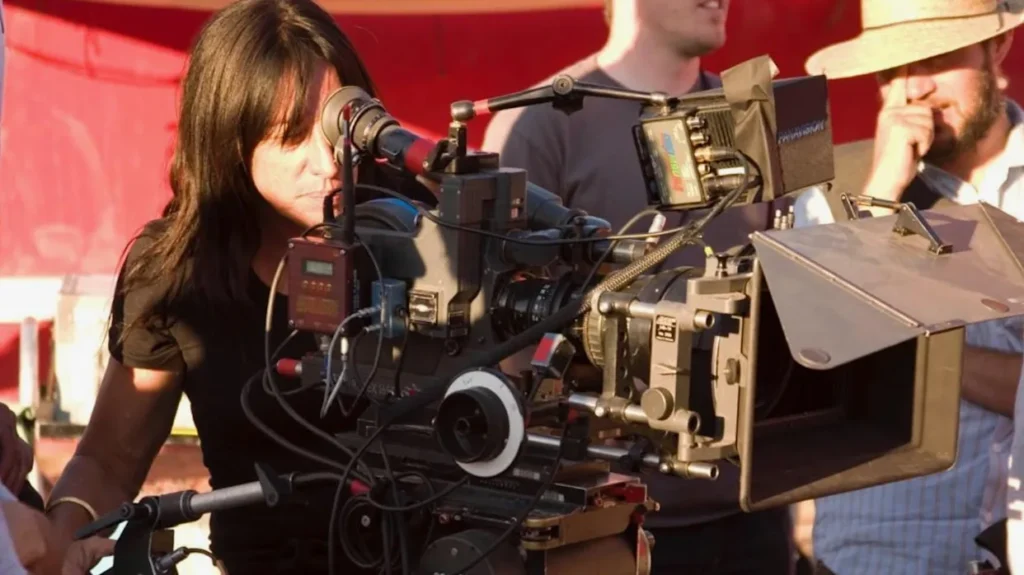
She also crossed into pop in unforgettable ways. Mariah Carey’s Dreamlover and All I Want for Christmas Is You felt light-hearted but showed her range. She directed Justin Timberlake, Alicia Keys, Beyoncé; artists who needed both polish and personality in their videos. Then in 2013 Blurred Lines and We Can’t Stop catapulted her into conversations about art, provocation, gender, consent.
Martel never shied away from criticism. She defended Blurred Lines by saying she was playing with satire and pushing back on sexist tropes. Her work convinced people to look, to question what they were watching, and even sometimes to hate what they saw. That kind of risk is rare.
She is survived by her aunt Gail Merrifield Papp, her three cats, and a vast network of artists and creatives who say she changed what a music video could do.
Martel’s work is proof that video can turn songs into culture. Her images carried weight. Her choices provoked thought. Her death leaves a hole, but what she made will outlive any buzzy controversy. We’ll keep coming back to her frames, her risks, her fire.