And I’m lowkey here for it…
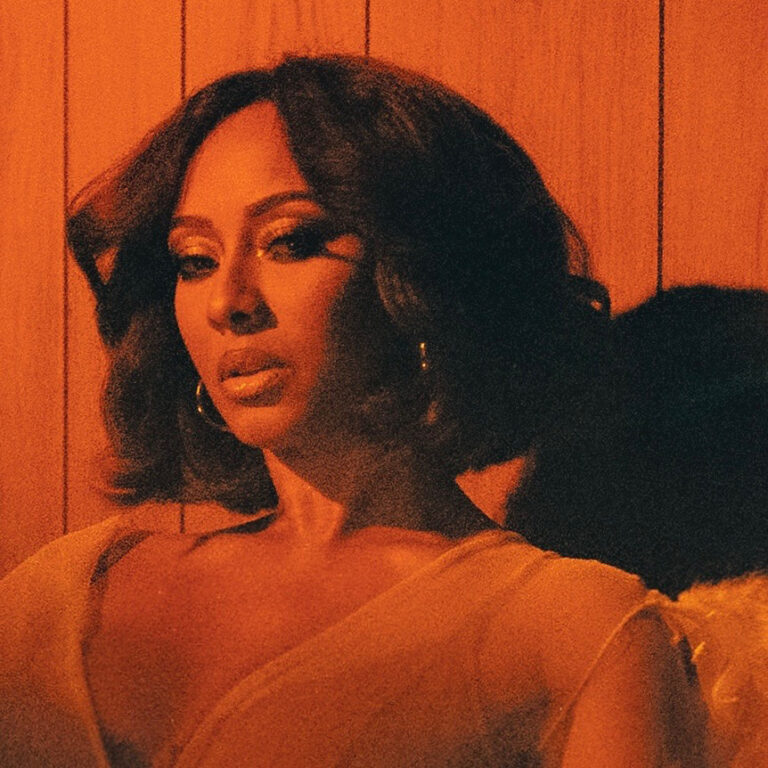
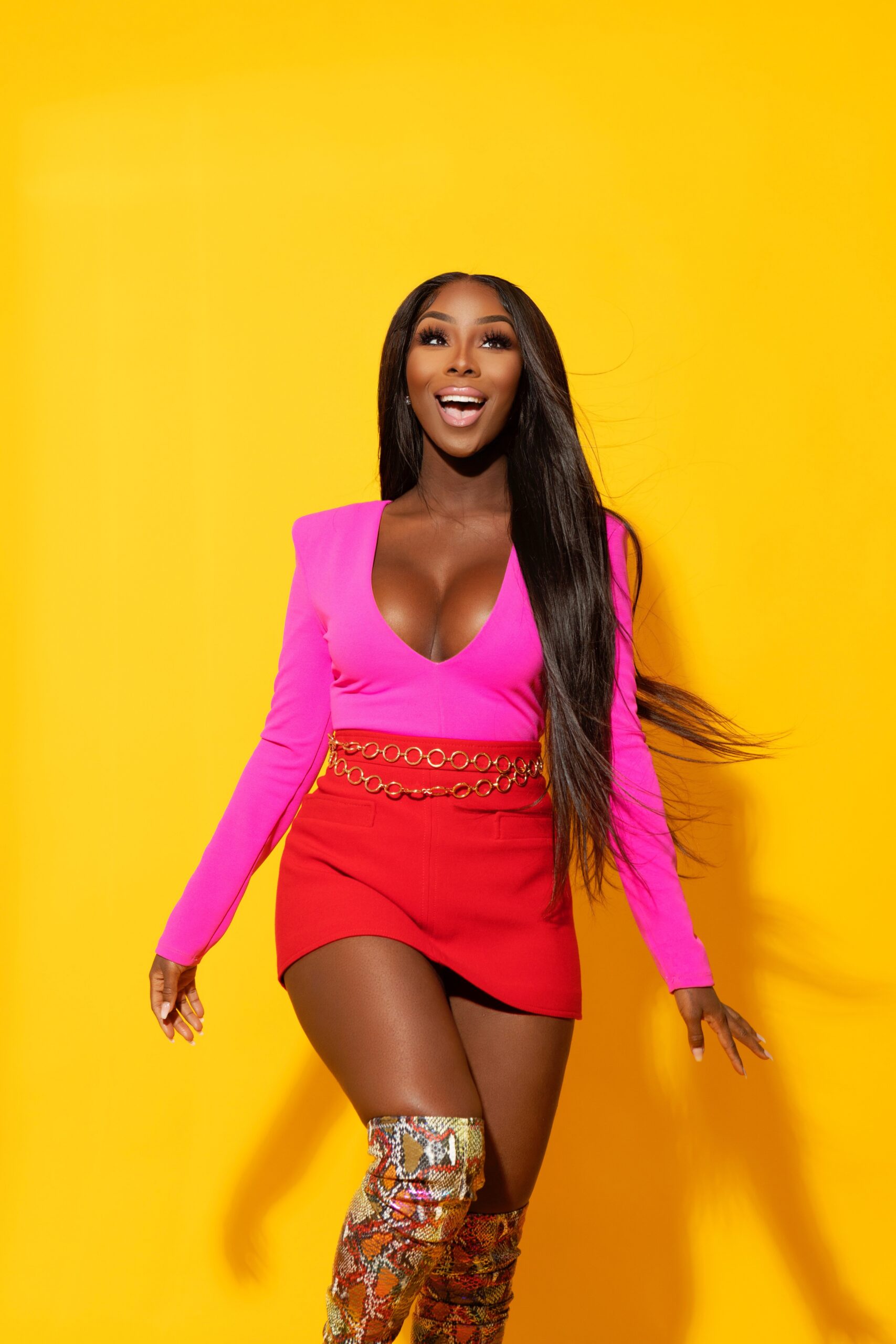
Let’s not play dumb, Jessie Woo isn’t just flirting with Afrobeats, she’s giving it a slow whine, buying it drinks, and learning the lingos and Yoruba phrases by heart.
From Love & Hip Hop to her laugh-out-loud skits and music career, Ms. Woo has always been in on the culture. But lately? She’s leaning into a sound so nostalgically West African, I had to check twice to make sure Zaina, Saeon, and early Tiwa Savage weren’t ghostwriting her hooks. It’s giving Emma Nyra in “Elele” era meets Saeon’s “Boogie Down”. That soft, sensual bounce. That sweet, pick-and-drop riddim we used to lose our minds to Club hopping from Rehab to Caliente, Y-Not to Quilox and any birthday party where the jollof wasn’t finished by 8PM.
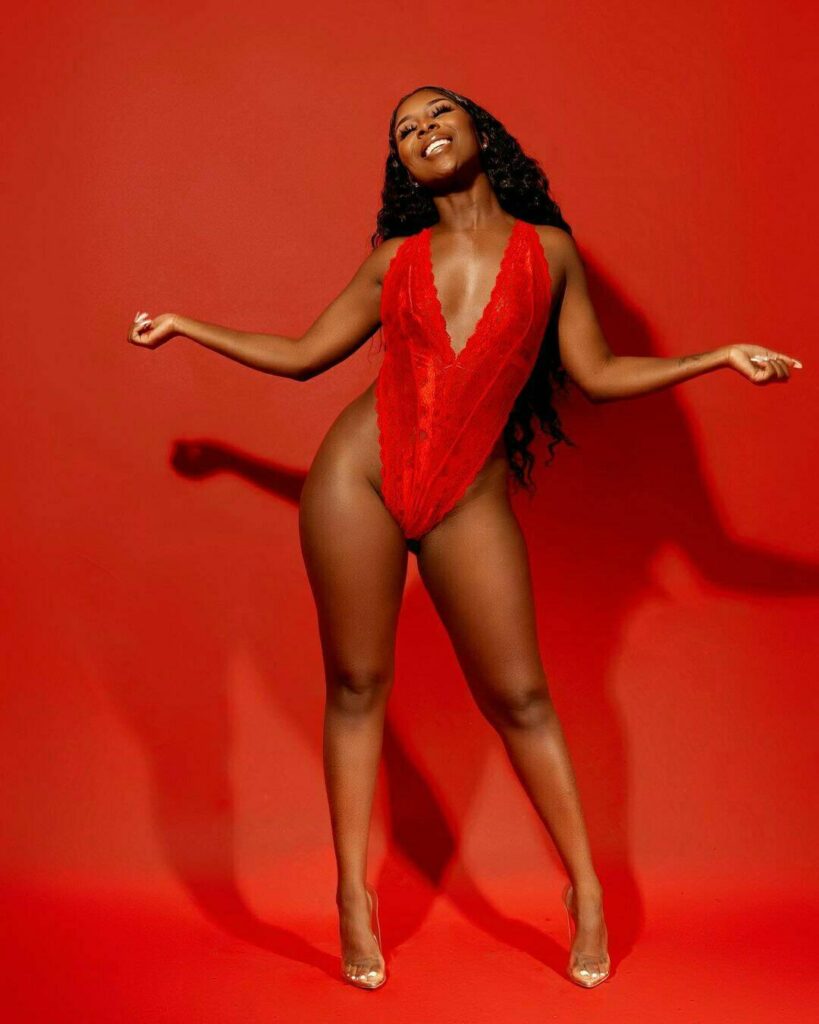
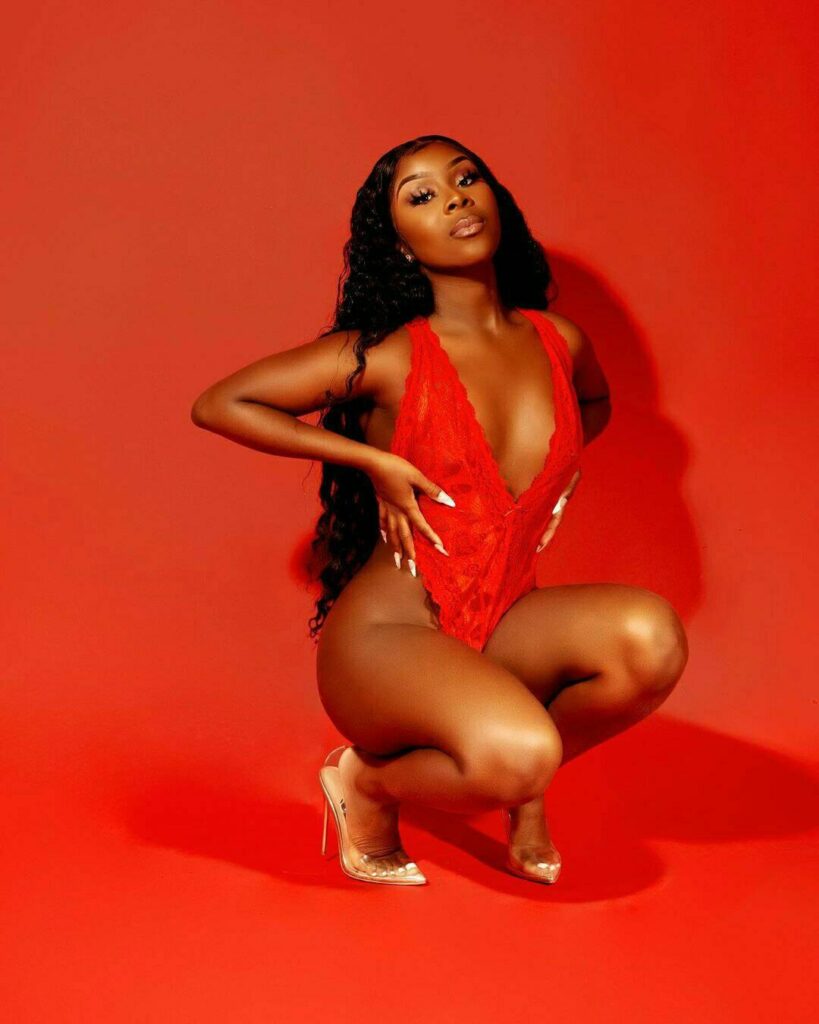
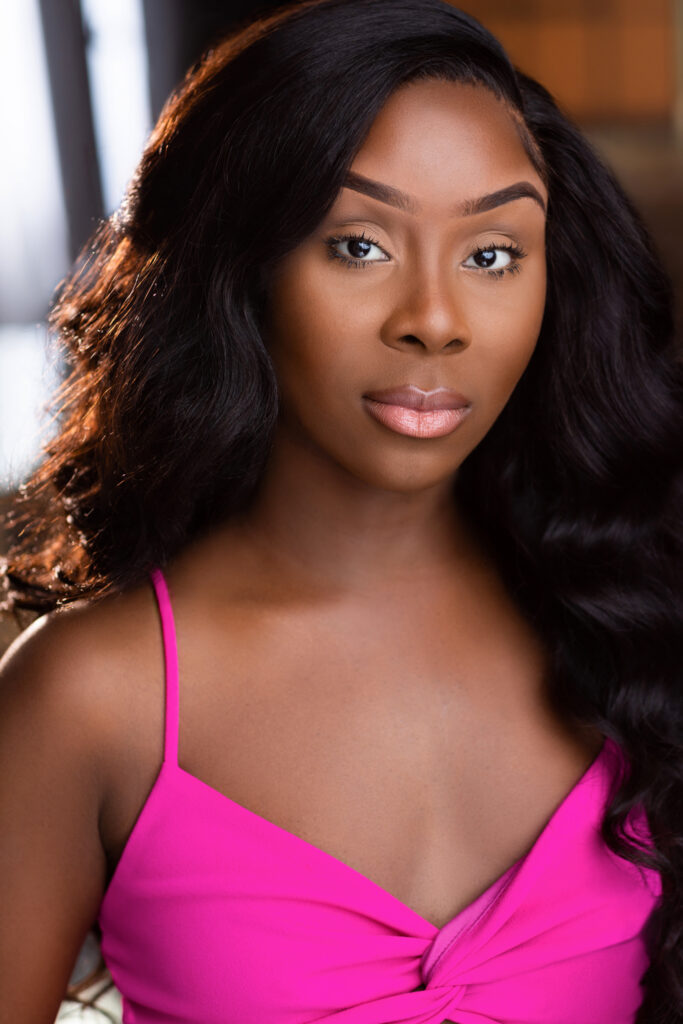
Now here’s the twist: Jessie Woo is Haitian. Born and raised. Creole-speaking. Island-coded. So what’s a Caribbean gyal doing with a sonic palette that sounds like 2013 Lekki nightlife?
Let’s break it down.
Historically, Nigerian Afrobeats has had these spicy flings with Francophone West African and Caribbean sounds, remember when everyone was obsessed with Coupé-Décalé and Zouk Love? Even the calypso-fusion era? It’s not new, but Jessie Woo is doing something clever. She’s not just borrowing. She’s blending. She’s finding the rhythm where Haitian Kompa percussion kisses Nigerian highlife basslines. She’s matching the language of bounce with an Afro-Caribbean cadence that still sounds like home, just not your own.
Case in point: her songs “Relem” and “Money” are masterclasses in borderless mid-tempo sonic identity. Relem is giving airy vocals, floating over a beat that could’ve easily belonged to a 2014 Waje/Tiwa collab. Money (featuring Yung Willis)? That’s the kind of groove you’d hear in an Asaba or Warri club scene just before the fight breaks out. But still, she’s not faking the accent or trying to be Naija-lite, she’s Haitian AF, and somehow, it still bangs in Surulere.
So yes, Jessie Woo might just out-Afrobeats us. And instead of gatekeeping, I say let her. Because if there’s one thing we need more of in Afropop, it’s bold women doing it their own way, with cadence, reverence, and ridiculous range.