His suspension, lawsuit threat and why Nollywood’s loose-cannon structure may be the real story
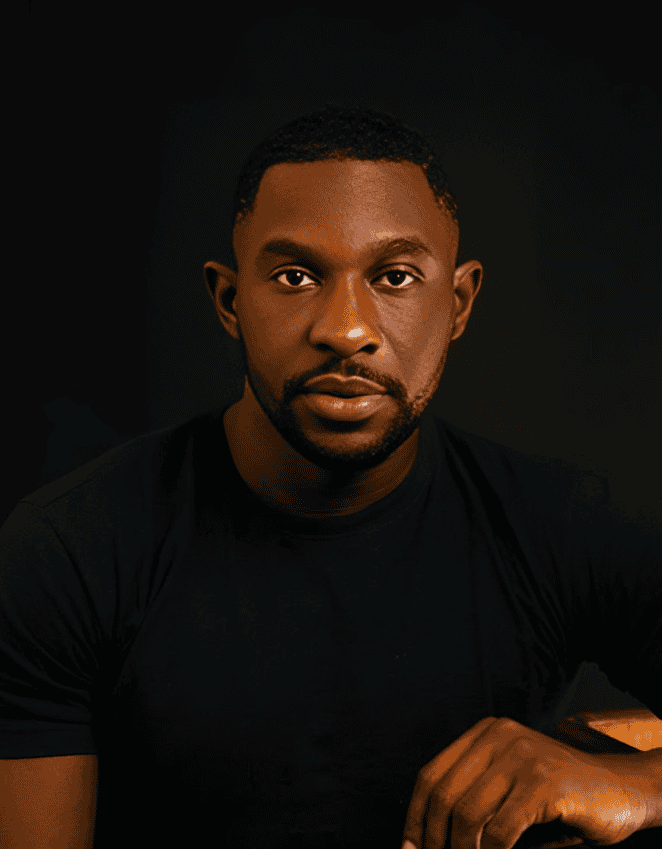
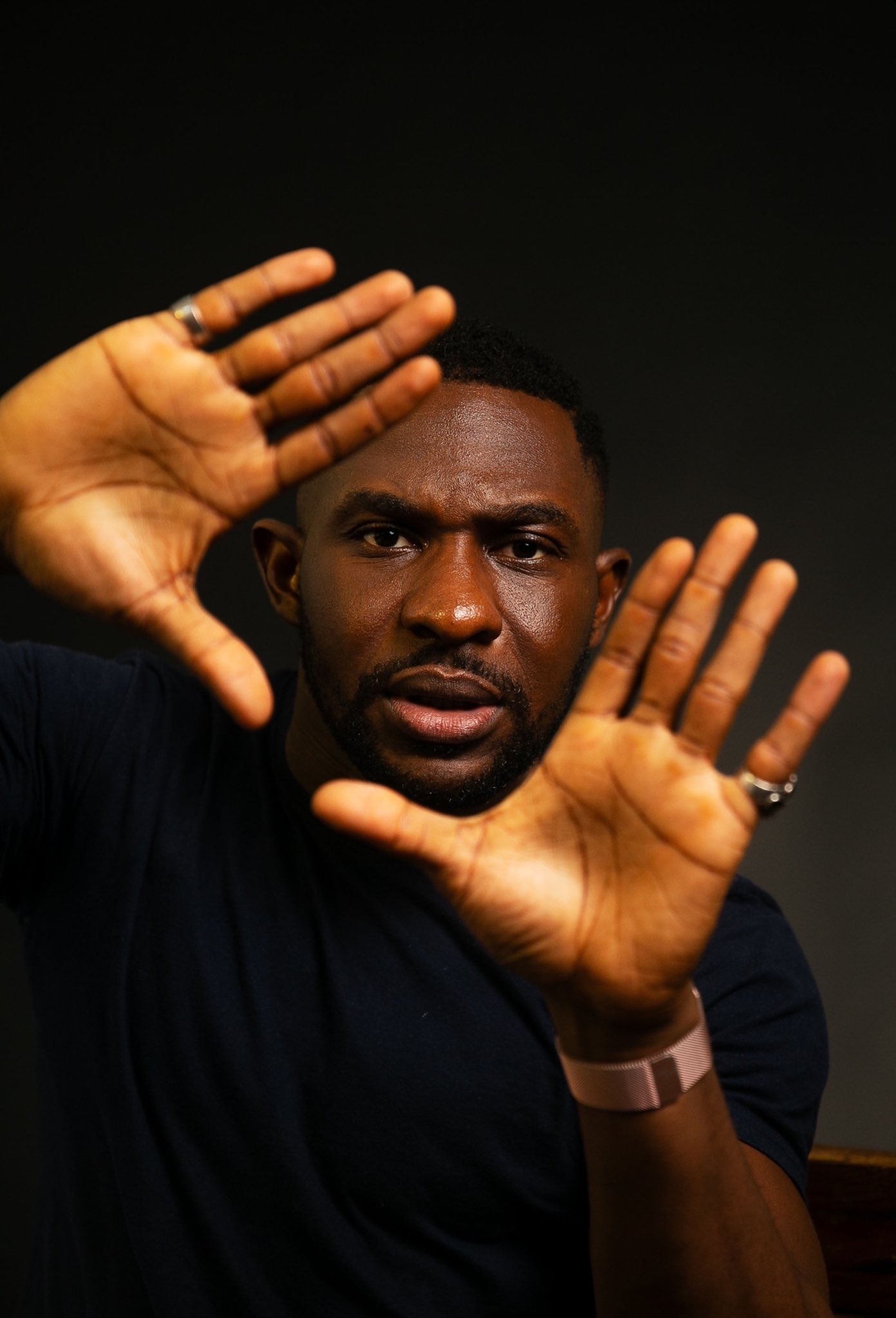
In late November 2025, the film industry in Nigeria got shaken hard. Taye Arimoro, a working actor, was slapped with an indefinite ban from all productions by the trio of industry heavyweights: Actors Guild of Nigeria (AGN), Directors Guild of Nigeria (DGN), and Association of Movie Producers (AMP). They held him responsible for a set-clash during the filming of the movie Pieces of Love. Reports say he allegedly assaulted a production manager and a driver, then went live on social media with what the guilds called a “misleading” video that tried to drag producer/actress Peggy Ovire into the mess.
The pronouncement came fast. According to the joint verdict, Arimoro was guilty until proven otherwise. The guilds demanded a public apology, a corrective video clarifying the events, and a supervised return to set to finish his outstanding scenes.
But Arimoro is not backing down. His camp fired back with a blistering letter. His lawyers argued that the three guilds had no business sanctioning him. He is not a registered member of any of them, so under their own constitutions, they lack jurisdiction. The disciplinary process, his team insists, was void from the beginning, misnaming him “Taiye Ayimoro,” giving no fair hearing, no shared evidence, and violating his constitutional right to freedom of association.
In dramatic fashion, the actor has threatened a ₦1 billion lawsuit if the guilds do not publicly retract their decision and apologize within 24 hours.
This isn’t just about a fight on set. It is a glaring expose of how loosely organized Nollywood remains, compared to, say, Hollywood, where unions and associations like the Screen Actors Guild‑American Federation of Television and Radio Artists (SAG-AFTRA) or the Writers Guild of America (WGA) deliver structure, due process, and member protections.
The fact that someone like Arimoro can be suspended by organizations he never signed up with shows how murky the power framework in Nollywood really is. Many younger actors and filmmakers treat these guilds as optional, unofficial at best. That leaves a vacuum where disciplinary actions can feel arbitrary, unpredictable, controversially—unconstitutional.
Taye’s experience is teaching us that talent alone does not shield you from the pitfalls of an industry without standardized rules or clear enforcement mechanisms. You need clarity on membership, transparency in discipline, and above all, rights. If Nollywood keeps going in circles over every on-set spat, it may end up losing good actors or better still, painful public lawsuits.
At a time when Nigerian cinema is aiming for global standards, this drama is a loud wake up call. Without structure, protection, and fairness, what we gain in quantity we risk losing in credibility.