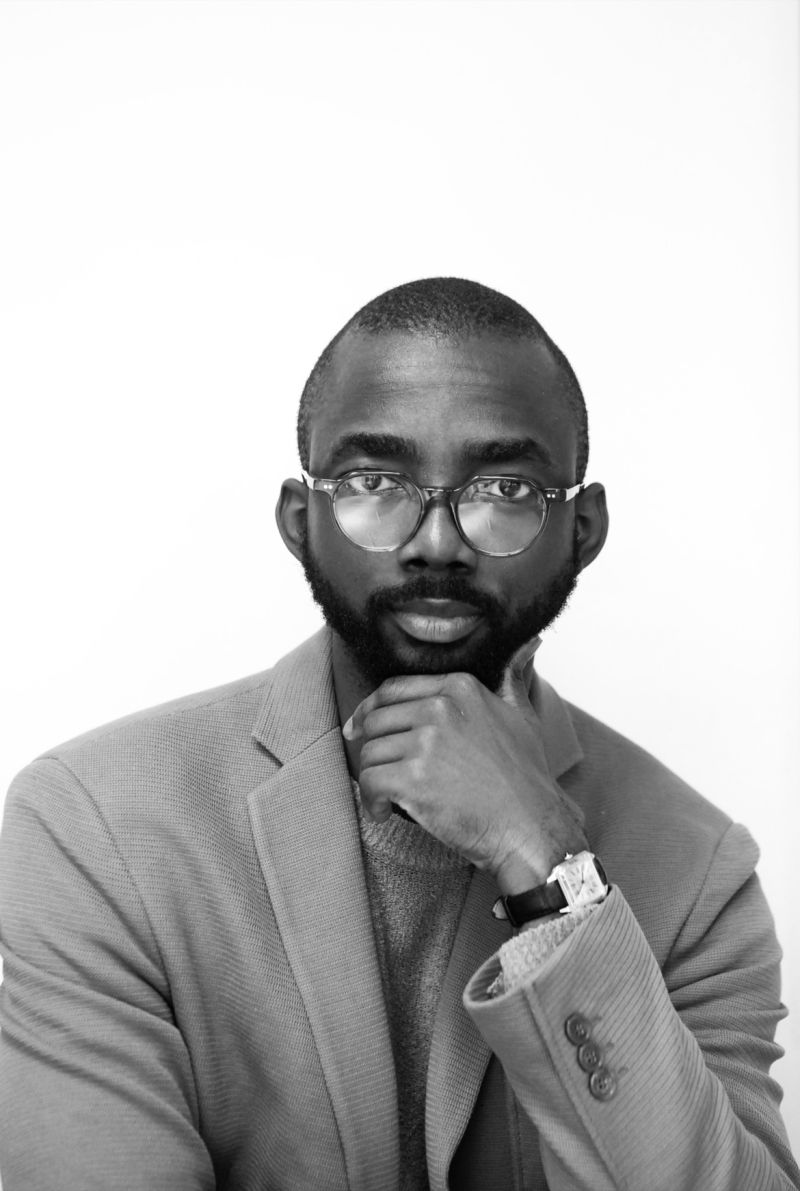
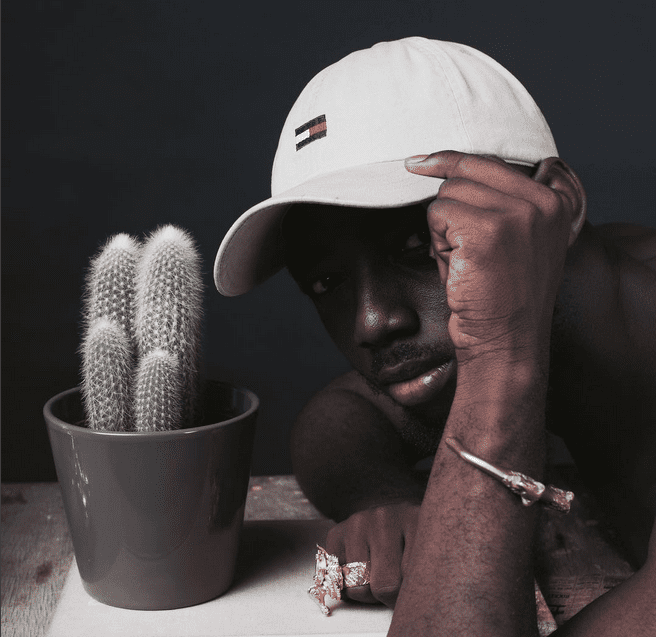
In the age of Instagram infographics and trauma-chic captions, the lines between lived experience and lifestyle branding have blurred beyond recognition. Enter Okuntakinte, online provocateur, social media disruptor, and for some, a mystery wrapped in red flags. His digital presence swings from vulnerability to volatility, often cloaked in mental health monologues, aestheticized breakdowns, and anti-establishment bravado. But the real question isn’t only about him, it’s about us too, our culture, and how we consume pain for profit or other underlying reasons unbeknownst to us.
For someone who emerged from a relatively privileged background, educated, well-networked, and publicly platformed, Okuntakinte presents himself as both messiah and martyr. And that dissonance has sparked debate. Is he telling the truth? Is it performance art? Is it a cry for help, or a calculated branding move à la Anna Delvey meets Tumblr-era nihilism? That’s not for us to diagnose. What is worth exploring is how social media rewards the currency of chaos and how that complicates public empathy.
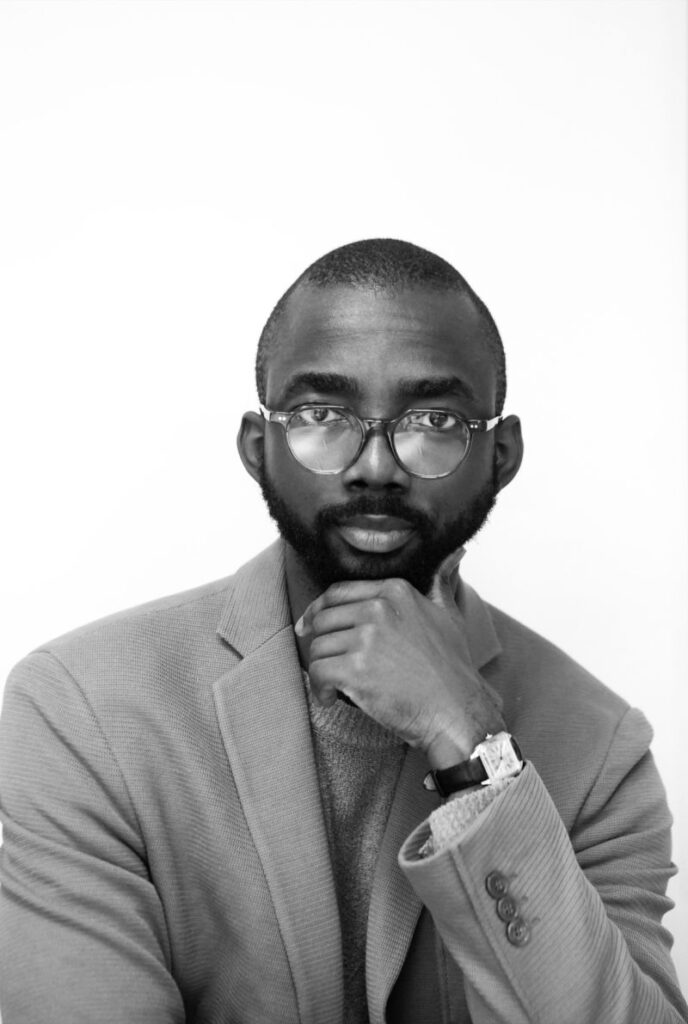
Mental health is not a costume or caption. Yet, increasingly, influencers are wrapping their personas in the language of trauma without necessarily doing the real work. Words like “depressed,” “anxious,” and “neurodivergent” get tossed around like aesthetic accessories. While lived experience must be respected, the presentation of pain becomes problematic when it lacks accountability, insight, or honesty.
The ripple effect? A public less willing to believe actual sufferers. A wave of skepticism that makes it harder for the average person, struggling silently, to be met with compassion. When performative breakdowns become content pillars, and boundaries between self-expression and spectacle are erased, it becomes harder to separate brand from breakdown.
But this isn’t a call to cancel. It’s a call to interrogate. Why do we reward emotional overshare but ignore real healing? Why do we believe someone’s trauma only when it’s beautifully packaged? And what does it say about us when we glamorize distress until it becomes unrecognizable?
We should want better. For our creators. For ourselves. And most of all, for the people genuinely battling mental illness, far from the filters, without the language or resources to make their experience “marketable.”
Mental health awareness deserves more than a soft launch on Instagram stories. It deserves sincerity, not spectacle.